
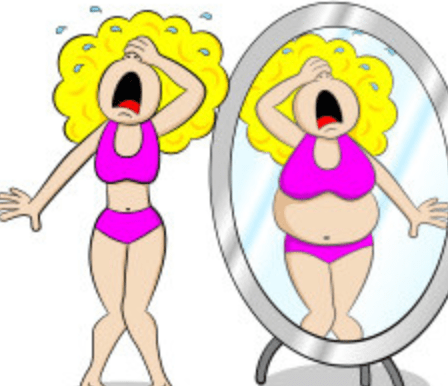
Within our society body dismorohic disorder is a huge problem, as our use of social media platforms have enabled us to view other peoples pictures of themselves which allows people to compare themselves to others. Apps such as facetune have helped people posting pictures to edit their bodies, face and anything they see that is a flaw for the ‘perfect’ picture for the Instagram feed or to post on your story on snapchat. Even though these posts may look perfect, most of the time these pictures have been edited to look how the person wants people to see them.
Body dysmorphic disorder is when you feel like a certain part of your body or your face has a flaw, and you get anxious about this flaw to the point you become obsessed with it, when usually to other people this flaw is not one at all. It can be to do with weight, height, facial features or body and people will do anything to make sure they get it fixed. More often then not, people will look to surgery, or wear tons of makeup to hide this flaw and make themselves feel better; although this is their choice, there are ways to get rid of this feeling as it is a disorder. Below are the common symptoms of body dysmorphic disorder found on the NHS website :
Symptoms of body dysmorphic disorder (BDD)
You might have BDD if you:
- worry a lot about a specific area of your body (particularly your face)
- spend a lot of time comparing your looks with other people’s
- look at yourself in mirrors a lot or avoid mirrors altogether
- go to a lot of effort to conceal flaws – for example, by spending a long time combing your hair, applying make-up or choosing clothes
- pick at your skin to make it “smooth”
(https://www.nhs.uk/conditions/body-dysmorphia/ )
This can really ruin your life as you obsess, and it definitely will put a strain on relationships, work life and everyday life as well.
‘Body Dysmorphic Disorder affects 1.7% to 2.9% of the general population — about 1 in 50 people’ (https://bdd.iocdf.org/professionals/prevalence/ )
If you feel like you or someone you know has these symptoms, then there are things that you can do in order to help:
Call your GP and arrange an appointment. They will be able to give you helpful information, and they will also assess your symptoms by asking questions about how they effect your life. They will be able to find out the severity of the symptoms and then find a way to help you. It is important to find help as it is a disorder that is likely to carry on if no treatment is given.
On the NHS website they say there are various treatments depending on your symptoms:
‘If you have relatively mild symptoms of BDD, you should be referred for a type of talking therapy called cognitive behavioural therapy (CBT), which you have either on your own or in a group.’
‘If you have moderate symptoms of BDD, you should be offered either CBT or a type of antidepressant medication called a selective serotonin reuptake inhibitor (SSRI).’
‘If you have more severe symptoms of BDD or other treatments do not work, you should be offered CBT together with an SSRI.’
(https://www.nhs.uk/conditions/body-dysmorphia/ )
You Are Not Alone
 Mental Health Awarness Blog