
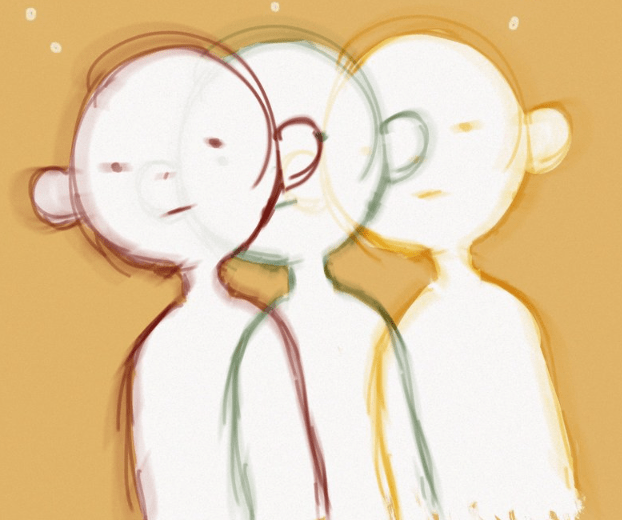
Throughout your lifetime, you may feel dissociated at points. Dissociation is feeling like you are not in reality and that you yourself are not experiencing things happening to you, as it doesn’t seem real. Everyone has different experiences of dissociation, so everyones view on how it feels is different due to whatever the person is dealing with. Dissociation usually occurs in time of stress, it is more dangerous for younger people to dissociate, as they can then develop this disorder which will happen more, and last longer.
The way the brain reacts to severe stress is to dissociate from it, which is why people especially after experiencing a big trauma in their life will feel like it isn’t real.
On Mind website they say that : (https://www.mind.org.uk/information-support/types-of-mental-health-problems/dissociation-and-dissociative-disorders/about-dissociation/)
‘Psychiatrists have tried to group these experiences and give them names. This can help doctors make a diagnosis of a specific dissociative disorder. But you can have any of these dissociative experiences even if you don’t have a diagnosed dissociative disorder.’
You can experience different types of Dissociation, a few of the main ones are shown below:
- Having difficulty remembering personal info. -Gaps in your life – this is known as Dissociative Amnesia.
- Travelling to different locations or taking on a new identity- this is known as Dissociative Fugue.
- Feeling like the world around you isn’t real – this is known as Derealisation
- Feeling like you are looking at yourself from the outside, as if observing emotions and being disconnected to yourself – this is known as Depersonalisation.
- Identity shift and change – this is known as Identity alteration.
- Difficulty defining what kind of person you are – this is known as Identity confusion.
Usually dissociation will stop on its own, and people find that once the stress has gone they feel normal again, although some people suffer dissociation for longer periods of time/ constantly which is when you will need to look for help.
Contacting your GP in oder to talk about your dissociation will help them determine what they can do to help you. ‘There is no specific drug to treat dissociation, but it’s possible to get better with a mix of medication and counseling. Your doctor will tailor your care based on how severe your symptoms are and their cause.’ (https://www.webmd.com/mental-health/dissociation-overview#3-7)
The main type of treatment would be psychological therapy in order to get to the bottom of what the problem is that is causing the dissociation to occur. If the doctor feels you are suffering more severely they may prescribe you antidepressants as well as the therapy.
On the WebMD website they say that : ( https://www.webmd.com/mental-health/qa/how-common-is-dissociative-identity-disorder)
‘Statistics show the rate of dissociative identity disorder is .01% to 1% of the general population. Considering dissociation more broadly, more than a third of people say they feel as if they’re watching themselves in a movie at times (that is, possibly experiencing the phenomenon of dissociation), and 7% percent of the population may have some form of an undiagnosed dissociative disorder.’
Interesting to see how someone has tried to portray their dissociation in video form.
with psychologist Dr Tracy Marks
 Mental Health Awarness Blog